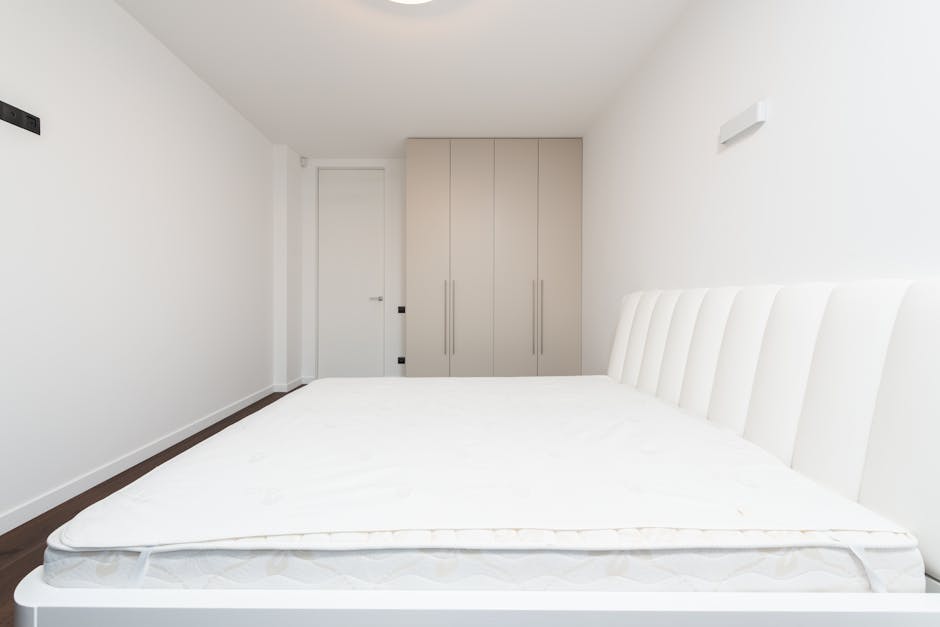
Coombe Wood mattress cleaning and allergen removal: a practical guide to a cleaner, fresher bed
If you've ever lifted the sheet and caught that stale, dusty smell, you already know mattresses hold on to far more than we like to think. Coombe Wood mattress cleaning and allergen removal is about more than making a bed look neat. It's about reducing the build-up of dust, sweat, dead skin cells, body oils, pollen, and other everyday irritants that can make sleep feel less comfortable. For families, allergy sufferers, pet owners, and anyone who simply wants a cleaner bedroom, the difference can be noticeable pretty quickly.
This guide breaks down what the process involves, why it matters, what to expect, and how to choose the right approach. You'll also find practical steps, common mistakes, and a realistic checklist you can use before and after cleaning. No fluff, just the useful bits.
Table of Contents
- Why Coombe Wood mattress cleaning and allergen removal Matters
- How Coombe Wood mattress cleaning and allergen removal Works
- Key Benefits and Practical Advantages
- Who This Is For and When It Makes Sense
- Step-by-Step Guidance
- Expert Tips for Better Results
- Common Mistakes to Avoid
- Tools, Resources and Recommendations
- Law, Compliance, Standards, or Best Practice
- Options, Methods, or Comparison Table
- Case Study or Real-World Example
- Practical Checklist
- Conclusion
- Frequently Asked Questions
Why Coombe Wood mattress cleaning and allergen removal Matters
Mattresses are one of those household items people rarely think about until there's a problem. They look harmless enough, tucked under bedding and pillows, but over time they collect dust, moisture, sweat, and microscopic debris. That matters because the mattress becomes part of your sleep environment, and sleep is where comfort really shows up-or doesn't.
Allergen removal is especially relevant if someone in the home sneezes more at night, wakes with irritated eyes, or feels congested in the morning. While mattress cleaning is not a medical treatment, a cleaner sleep surface can reduce exposure to common irritants. Truth be told, many people do not realise how much of the bedroom's "stuffiness" sits inside the mattress until it has been cleaned properly.
There's also the plain practical side. A mattress that is regularly maintained tends to smell fresher, last longer, and feel more pleasant to sleep on. That is not magic. It's just better upkeep. If you're already investing in your bedroom, it makes sense to protect the biggest soft furnishing in it.
For a broader understanding of care across fabrics and furnishings, many households also look at related services such as carpet cleaning and upholstery cleaning, because allergens rarely stay in one place. They move around the room. Slightly annoying, but there it is.
How Coombe Wood mattress cleaning and allergen removal Works
The exact process depends on the mattress type, age, condition, and any stains or odours present. Still, a good professional clean usually follows a careful sequence rather than a rushed spray-and-pray approach. That matters, because mattresses can be damaged by excess moisture or the wrong chemistry.
1. Inspection and fibre identification
The cleaner should first inspect the mattress for fabric type, seams, labels, visible staining, and signs of wear. Different covers react differently to moisture and cleaning products. A memory foam mattress, for example, needs a far more controlled approach than a sturdy sprung mattress with a removable protector.
2. Dry soil removal
Loose debris, dust, and surface particles are usually removed first with careful vacuuming. This step sounds simple, but it is a big part of allergen reduction. If you skip the dry soil stage, you just smear grime around later. Not ideal.
3. Targeted stain and odour treatment
Any marks from spills, sweat, or pet accidents are treated using suitable spot-cleaning methods. If odour is part of the issue, treatment may include neutralising the source rather than simply masking it. For pet-related cases, a dedicated approach such as pet stain odour removal can be especially helpful when the problem goes deeper than the surface.
4. Deep cleaning or low-moisture extraction
Depending on the mattress and the degree of soiling, the cleaner may use a low-moisture method or controlled extraction. The goal is to lift embedded grime without soaking the mattress. A damp mattress is a headache; a properly cleaned one should be fresh, not wet.
5. Allergen-focused finishing
Some processes focus on removing fine dust and irritants from fabric pores and seams. This is where allergen control really comes into play. It is not about claiming to sterilise the mattress. It is about reducing the build-up of everyday triggers that can affect comfort and sleep quality.
6. Drying and final check
A clean mattress still needs proper drying. Rooms with open windows, gentle airflow, or dehumidified conditions usually help. The final check should confirm that the surface feels dry, smells fresher, and has no sticky residue or lingering damp patches.
If you already need attention on other soft furnishings at the same time, it can be efficient to schedule mattress care alongside sofa cleaning or curtain cleaning. That way the room feels consistently cleaner rather than only half-done. Which, let's face it, can be a bit frustrating.
Key Benefits and Practical Advantages
The obvious benefit is a fresher bed. But there are several less obvious advantages too, and they are often the ones people appreciate most after the job is done.
- Reduced dust and allergen build-up: Helpful for homes where night-time sneezing, morning congestion, or general irritation is a recurring issue.
- Better odour control: Useful where the mattress has absorbed sweat, spills, or pet-related smells.
- Improved sleep comfort: A cleaner mattress simply feels more pleasant to lie on.
- Longer mattress life: Regular care may help prevent grime from becoming deeply embedded and harder to remove later.
- Better bedroom hygiene overall: A mattress doesn't exist in isolation; cleaner bedding, carpets, and upholstery all support the result.
- More confidence for guests or family use: People do notice freshness, even if they do not say much about it.
One practical upside that people often overlook is stain management. If a mark is treated earlier, it is usually much easier to improve than one that has been left to settle for months. Stains age like bad habits. They become stubborn.
For related maintenance work, it can help to pair mattress care with broader stain removal when a household has a few problem spots across the home, not just on the bed.
Who This Is For and When It Makes Sense
Mattress cleaning and allergen removal is not just for homes that have visible dirt. In many cases, the need is less obvious. If you are deciding whether it's worth arranging, these are the most common situations where it makes sense.
- Allergy-sensitive households: If someone reacts to dust or fine particles, regular mattress cleaning can be a sensible part of the routine.
- Families with children: Spills, accidents, and general wear happen. That's life, really.
- Pet owners: Pets bring comfort, but also hair, dander, and the occasional odour transfer.
- People moving into a new property: A mattress in a new home or rental may deserve a proper refresh before use.
- Guest rooms: A spare bed that sits untouched for long periods can still gather dust and smell stale.
- After illness or prolonged bed use: Extra cleaning can help restore a fresher sleeping environment.
- When a mattress smells musty or feels damp: That is usually a sign it needs attention sooner rather than later.
Sometimes the mattress looks fine, but the room still feels dusty. In those cases, the mattress may be part of a bigger fabric-and-fibre problem across the space. A combined approach with rug cleaning can help if the floor soft furnishings are contributing to the same issue.
There's no need to wait for a dramatic stain or a full-on smell. If you've been putting it off because "it doesn't look too bad", that is exactly how these things quietly build up. Sneaky, mattresses.
Step-by-Step Guidance
If you want a sensible process rather than guesswork, this is the sequence to follow. Some of these steps apply to DIY maintenance, while others help you judge what a professional service should be doing.
- Strip the bed completely. Remove bedding, protectors, and pillows. Wash what can be washed, and check whether the mattress protector itself needs cleaning or replacing.
- Vacuum thoroughly. Use a clean upholstery attachment and work across the surface, seams, and edges. Go slowly around tufts and stitched lines where dust hides.
- Inspect stains and odours. Identify what you are dealing with before using anything. Food spills, sweat, urine, and general body oils all need different handling.
- Test any treatment in a small hidden area. This is basic but vital. A smart cleaner always checks compatibility first.
- Apply the correct cleaning method. Spot treat as needed, then use low-moisture cleaning or extraction if suitable for the mattress type.
- Avoid over-wetting. Mattresses should not be saturated. Excess moisture can lead to slow drying and unpleasant odours.
- Allow proper drying time. Airflow matters. Open windows if possible, use fans if appropriate, and keep bedding off until the mattress is fully dry.
- Finish with prevention. Refit a breathable mattress protector and keep the area aired regularly.
If the mattress is badly marked, deeply odorous, or has old contamination, a professional clean is usually a better call than a home experiment. Some jobs are just not worth learning the hard way.
Expert Tips for Better Results
A few small habits make a big difference. Most people do the obvious bits; the trick is doing the small things consistently.
- Vacuum the mattress monthly. Even a quick pass helps reduce dust build-up.
- Rotate the mattress where the manufacturer allows it. This can help even out wear and prevent body impressions from becoming too pronounced.
- Use a good mattress protector. A breathable protector is one of the easiest ways to reduce future staining and allergen accumulation.
- Wash bedding regularly at an appropriate temperature. Clean sheets do not clean the mattress, but they do slow the rate of build-up.
- Deal with spills quickly. Fresh stains are always easier. Always.
- Keep bedroom humidity under control where possible. Damp rooms tend to make fabrics smell stale more quickly.
- Don't confuse fragrance with cleanliness. A perfumed spray can hide an odour for an afternoon, then the smell returns. A bit like putting a hat on a problem.
In our experience, the best results often come from combining mattress cleaning with wider fabric care in the bedroom. For instance, a room with dusty curtains and a tired mattress will never feel fully fresh if only one item is addressed. A sensible next step may include steam carpet cleaning if the flooring also needs a proper reset.
Common Mistakes to Avoid
Mattress cleaning sounds simple, so people often make it harder than it needs to be. Here are the missteps that cause the most frustration.
- Using too much water: This is the big one. A mattress that stays damp too long can develop smells or mould risk.
- Scrubbing aggressively: Rough treatment can damage fibres and push staining deeper.
- Using random household chemicals: What works on a kitchen counter is not always suitable on a fabric mattress.
- Ignoring the mattress label: Manufacturers often give useful care guidance. It is worth checking, honestly.
- Cleaning only the visible mark: A stain may be wider than it looks, and the surrounding area matters too.
- Rebedding too soon: Putting fresh sheets on a still-damp mattress traps moisture.
- Assuming all odour comes from the surface: Sometimes the smell has soaked deeper than the top layer.
One more thing: if a mattress has persistent dampness, black spotting, or a strong musty smell that returns quickly, that may indicate a bigger problem than simple surface dirt. At that point, careful inspection matters more than another quick clean.
Tools, Resources and Recommendations
You do not need a huge toolkit to keep a mattress in decent condition. What matters is using the right basics well.
Useful tools for routine maintenance
- A vacuum with an upholstery attachment
- Clean microfibre cloths
- A breathable mattress protector
- Gentle spot-cleaning solution suitable for fabric use
- Fans or natural airflow for drying
- A soft brush for lifting dust from seams, if appropriate
Helpful service pages when the problem extends beyond the bed
If the mattress issue is part of a wider bedroom refresh, these services can support the same goal of reducing dust and making the room feel cleaner:
- mattress cleaning for the core service itself
- upholstery cleaning for headboards, chairs, and soft seating
- curtain cleaning where dust-laden fabrics are part of the problem
- carpet cleaning if floor fibres are contributing to the same allergens
There's also the practical matter of booking. When comparing options, look at service clarity, what is included, how drying is handled, and whether the provider explains stain limitations honestly. A service that talks plainly is usually easier to trust than one that promises miracles. Mattresses do not do miracles. They do practical results.
You may also want to review pricing and quotes if you are planning more than one item, and payment and security for peace of mind around booking and payment handling.
Law, Compliance, Standards, or Best Practice
For a topic like mattress cleaning and allergen removal, the most relevant guidance is usually best practice rather than anything highly regulated. That means working carefully, using suitable products, and avoiding damage to the item or the home.
In the UK, a professional cleaner should be able to explain the method they plan to use, any drying considerations, and any limitations for delicate or heavily soiled mattresses. If a service involves access to your home, sensible expectations around insurance, safety, and conduct also matter. You do not need a lecture. You do need reassurance that the work will be carried out carefully.
It is also reasonable to expect honesty about what allergen removal can and cannot do. A good clean can reduce dust and irritants, but it is not a medical cure, and no reputable provider should suggest otherwise. That careful wording matters.
If you want to understand how a company approaches responsible work, it can be worth reviewing its health and safety policy, insurance and safety information, and terms and conditions. Those pages help set expectations before anyone arrives at the door.
Options, Methods, or Comparison Table
There are a few ways to tackle mattress cleaning. The right choice depends on soil level, mattress material, and whether allergen reduction is your main goal or just one part of the job.
| Method | Best for | Pros | Limitations |
|---|---|---|---|
| Vacuum-only maintenance | Routine care and dust reduction | Fast, low risk, good for upkeep | Won't remove deep stains or odours |
| Spot cleaning | Fresh spills and targeted marks | Focused, economical, can be done quickly | Needs the right product and technique |
| Low-moisture deep clean | General refresh and allergen reduction | Better overall cleaning, controlled drying | May not solve very old or severe contamination |
| Extraction-based cleaning | Deeper soil and more embedded grime | Stronger soil removal where suitable | Requires careful moisture control |
| Professional stain and odour treatment | Persistent marks, smells, pet accidents | More targeted, more reliable on stubborn issues | Results depend on stain age and mattress condition |
As a rough rule, the more delicate the mattress and the worse the contamination, the more important professional judgement becomes. A one-size-fits-all method is rarely the best option.
Case Study or Real-World Example
Here's a realistic example from a fairly ordinary household situation. A couple in a two-bedroom flat noticed that their spare room always smelled a bit stale, even though it was clean on the surface. The mattress had not been visibly soiled, but it was older, lightly stained around the edges, and used only occasionally by visiting family.
After vacuuming and treating the mattress carefully, the cleaner found the main issue was a mixture of dust build-up, mild sweat staining, and a stuffy odour that had settled into the seams. The room itself was also carrying dust from a nearby carpet and lined curtains. Nothing dramatic. Just layers of normal life, really.
Once the mattress was cleaned and fully dried, the room felt noticeably fresher. The odour had lifted, the bedding smelled cleaner for longer, and the couple decided to add regular mattress vacuuming to their monthly routine. They also treated the carpet and curtains later on, which made the whole room feel more complete.
The useful lesson here is simple: a mattress problem is sometimes a room problem in disguise. The bed is just where you notice it most.
Practical Checklist
Use this checklist before booking, during cleaning, or after the job is complete.
- Check the mattress care label or manufacturer guidance
- Identify whether the issue is dust, stain, odour, or a mix of all three
- Remove bedding and wash what is washable
- Vacuum the mattress surface, seams, and edges
- Test any treatment on a small hidden area first
- Avoid soaking the mattress
- Allow full drying before remaking the bed
- Use a breathable mattress protector afterwards
- Keep the room ventilated where practical
- Address nearby fabrics if allergens seem to keep returning
Quick summary: the best mattress cleaning is careful, low-risk, and realistic about results. It reduces dust, softens odours, and improves the feel of the room without overpromising. That balanced approach is usually the one people are happiest with in the end.
Conclusion
Coombe Wood mattress cleaning and allergen removal is one of those jobs that pays off in a quiet but very real way. You do not always see the benefit instantly, but you feel it: a fresher bed, a cleaner room, less lingering dust, and a more comfortable night's sleep. For allergy-aware homes and busy households, that matters a lot.
The main thing is to treat the mattress as part of the wider bedroom environment. Clean it carefully, dry it properly, and keep up with simple maintenance so the build-up does not get ahead of you again. Small habits make a big difference here.
If you are planning a refresh, compare options, ask clear questions, and choose the approach that fits your mattress and your home. A little care now saves a lot of aggravation later, and honestly, that's worth doing.
Get a free quote today and see how much you can save.
And if you've been meaning to sort it out for ages, well, today is as good a day as any. Fresh sheets hit differently on a properly cleaned mattress.
Frequently Asked Questions
How often should a mattress be cleaned?
For most homes, a light vacuum and basic maintenance every month is sensible, with a deeper clean every so often depending on use, allergies, pets, and spills. If someone in the household is allergy-sensitive, it may be worth doing it more regularly.
Does mattress cleaning remove dust mites?
Cleaning can help reduce the dust and debris that dust mites feed on, and that can support a fresher sleep environment. It is better to think of it as allergen reduction rather than a total elimination claim.
Can mattress cleaning help with allergies?
Yes, it can help by reducing dust, dander, and other irritants that collect in mattress fibres. It is not a medical treatment, but many people find a cleaner mattress more comfortable, especially at night.
Will mattress cleaning remove urine smell?
It often can improve the odour significantly, especially if treated promptly. Older contamination may be harder, particularly if it has penetrated deep into the mattress. The earlier it is handled, the better.
How long does a mattress take to dry after cleaning?
Drying time depends on the method used, mattress type, room airflow, and humidity. A well-managed clean should not leave the mattress soaked, and proper drying is a key part of the process.
Is steam cleaning safe for mattresses?
Not every mattress is suitable for heavy steam, and too much moisture is a risk. The safest choice depends on the fabric, construction, and condition of the mattress, so method selection matters more than simply using heat.
Can I clean a mattress myself?
Yes, for light maintenance and small fresh spills, many people can do a decent job with vacuuming and careful spot treatment. For deep stains, persistent odours, or allergy-related concerns, professional help is often the more reliable route.
What should I do before a mattress cleaning appointment?
Strip the bed, remove the protector, and clear access around the mattress if you can. It also helps to mention any problem areas in advance so the cleaner can plan the right approach.
Can mattress cleaning help with pet allergens?
It can help reduce dander, hair, and pet-related odours that settle into fabric. If pets sleep on the bed, regular cleaning and a good protector become even more useful.
How do I keep my mattress cleaner for longer?
Use a mattress protector, wash bedding regularly, vacuum the mattress occasionally, and deal with spills straight away. Keeping the bedroom aired and controlling moisture also helps more than people expect.
Is a deep clean worth it for an older mattress?
Sometimes yes, especially if the mattress is structurally fine but needs freshness restored. If it is badly worn, sagging, or heavily contaminated, cleaning may help only so far. That is where a practical assessment is important.
What else in the room can affect allergens?
Carpets, rugs, curtains, sofas, and upholstered chairs all collect dust over time. If the aim is a genuinely fresher room, it can make sense to look beyond the mattress alone and consider the surrounding soft furnishings too.