Coombe Road carpet cleaning for period homes
If you live in a period property on or near Coombe Road, you already know the carpets are doing more than just covering the floor. They are part of the house's character. A good wool runner, a Victorian-style hallway carpet, or a carefully fitted stair carpet can soften footsteps, keep draughts down, and make the whole place feel warm and lived-in. The trouble is, old homes are rarely forgiving. Delicate fibres, age-softened backing, hidden repairs, and the occasional stubborn stain all make carpet cleaning a little more involved than people expect.
That is exactly why Coombe Road carpet cleaning for period homes deserves a more considered approach. You want carpets to look fresh, smell clean, and last longer - without risking shrinkage, colour bleed, or flattening the pile. In this guide, we'll walk through what matters, how the process works, common mistakes, and how to choose the right method for older properties. Nothing flashy. Just practical, honest advice that makes sense in real homes.
Table of Contents
- Why Coombe Road carpet cleaning for period homes matters
- How Coombe Road carpet cleaning for period homes works
- Key benefits and practical advantages
- Who this is for and when it makes sense
- Step-by-step guidance
- Expert tips for better results
- Common mistakes to avoid
- Tools, resources and recommendations
- Law, compliance, standards, or best practice
- Options, methods, or comparison table
- Case study or real-world example
- Practical checklist
- Conclusion
- Frequently asked questions
Why Coombe Road carpet cleaning for period homes Matters
Period homes tend to have carpets with history. Some are original to the property style, others were added later to suit older floor plans, and quite a few have simply been there long enough to gather a bit of life. That life shows up in day-to-day wear: dusty corners, traffic lanes in the hallway, a faint musty smell in rooms that sit closed for a while, or marks from muddy shoes after a wet London afternoon.
Cleaning matters because older carpets can deteriorate quietly. What looks like general dullness may actually be compacted soil breaking down the fibres. A sticky patch from a drink spill can attract more dirt. And if a carpet is cleaned too aggressively, the result can be worse than leaving it alone. A period home usually needs a balance of freshness and restraint.
There is also the practical side. Older properties often have uneven floors, original skirting, tighter stairs, and awkward corners where dust gathers. A rushed, one-size-fits-all clean can miss those issues completely. Better carpet care in these homes is part cleaning, part preservation. Truth be told, that is what makes the difference between a room that merely looks cleaner and one that actually feels properly cared for.
Expert summary: In older homes, the best carpet cleaning is not just about removing dirt. It is about protecting fibres, respecting construction age, and choosing a method that suits the carpet rather than forcing the carpet to suit the method.
If you are also refreshing nearby soft furnishings, it can make sense to look at broader care for the room too, such as sofa cleaning, curtain cleaning, or even upholstery cleaning. Old homes often work best when the whole space is treated as a system, not as isolated items.
How Coombe Road carpet cleaning for period homes Works
The process should start with inspection, not equipment. In a period property, the cleaner needs to identify the carpet type, backing, age, visible wear, and any issues such as loose seams, fading, or previous repairs. A wool carpet in a front room behaves differently from a synthetic carpet in a newer extension. A hallway runner on original floorboards is another story again.
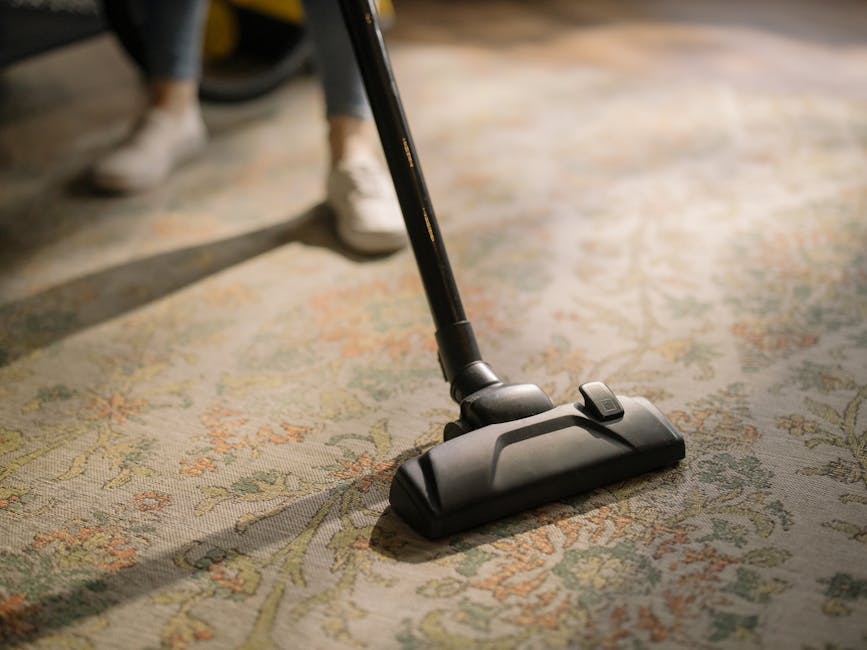
From there, the cleaner decides which method suits the carpet best. In many cases, that means controlled hot water extraction, sometimes called steam carpet cleaning, though the actual process is more nuanced than the phrase suggests. It uses hot water and solution applied carefully, followed by powerful extraction. The key word there is carefully. Too much moisture in an older home can be a nuisance, especially if ventilation is poor or the carpet is laid over delicate underlay.
Dry soil removal comes first. That matters more than most people think. If loose grit is left in the pile, it becomes abrasive during wet cleaning. Then pre-treatment can be applied to traffic lanes or specific marks. After that, the carpet is cleaned in sections, with attention to fibre direction, dwell time, and water control. Finally, drying is managed through airflow and sensible room use.
That sounds technical, but the principle is simple: clean enough to remove embedded dirt, gentle enough to protect the carpet. There is a bit of judgement involved. A lot, actually.
For carpets that need specialist attention, a dedicated carpet cleaning service is usually the best starting point, with steam carpet cleaning or targeted stain removal used where appropriate.
Key Benefits and Practical Advantages
The obvious benefit is a cleaner carpet, but there is more to it than that. A proper clean in a period home can make the whole building feel lighter. Hallways brighten up. Stairs stop looking tired. A room that felt a bit closed-in suddenly breathes a little more. You notice it especially when sunlight falls across the fibres in the morning - little shadows disappear, the colour looks truer, and the place feels less heavy.
- Better appearance: dirt, dullness, and traffic marks are reduced.
- Improved hygiene: carpets can hold dust, allergens, and everyday debris.
- Longer carpet life: regular professional care can slow wear.
- Odour reduction: trapped smells from pets, cooking, or damp can be lifted.
- Safer living environment: fewer loose particles and less abrasive grit underfoot.
- Better room comfort: a clean carpet feels softer and more inviting.
There is also a less obvious benefit: peace of mind. If your home has original features, you tend to worry about them. Fair enough. A considered cleaning approach helps you feel confident that the job is being done with the property's age in mind, not against it.
If the carpet is part of a broader refresh, pairing it with rug cleaning can help keep pattern, tone, and texture consistent across the room. Period interiors often look best when the soft furnishings are treated as a whole.
Who This Is For and When It Makes Sense
This kind of cleaning is ideal for homeowners, landlords, and tenants dealing with older properties on Coombe Road and nearby streets. It is especially useful if the carpet has not been professionally cleaned for a while, if there are visible traffic patterns, or if the home has been affected by pets, children, or lots of everyday footfall. Let's be honest, most homes have all three at some point.
It also makes sense before events, after renovation dust settles, or when you are trying to restore a room that has started to feel a little flat. A period house can hide a surprising amount of dirt in plain sight. On dark carpet, it is the dullness. On lighter carpet, it is often the speckled marks and that slightly tired look that never quite goes away with vacuuming alone.
There are times when you should pause and think before cleaning. If a carpet is fragile, heavily damaged, visibly shrinking, or has loose backing, the safer move is a cautious assessment first. If you are dealing with sentimental original flooring, that caution becomes even more important. A careful clean is helpful. An overconfident one, not so much.
And yes, pet households are a big part of this. If the issue is more about smells and repeated marks than general soil, a focused pet stain and odour removal approach can be far more effective than a standard clean alone.
Step-by-Step Guidance
Here is a practical way to think about the process from start to finish.
- Inspect the carpet first. Check fibre type, wear, stains, seams, and any weak areas. This tells you what is safe.
- Vacuum thoroughly. Dry soil removal should always happen before moisture is introduced. It is basic, but crucial.
- Test for colour stability. In older carpets, dyes may behave unpredictably. A small hidden test can prevent a headache later.
- Pre-treat problem areas. Traffic lanes, spills, and marks may need targeted attention before full cleaning.
- Choose the right method. Use low-moisture or extraction methods according to the carpet's condition and the room environment.
- Control the water. Avoid over-wetting. In period homes, that is one of the biggest practical risks.
- Work section by section. This helps maintain even results and keeps the process controlled.
- Dry properly. Airflow matters. Open windows if suitable, use fans if needed, and avoid heavy foot traffic too soon.
- Check the result. Look for missed areas, residue, or any fibres that need a light grooming pass.
If you are comparing services, it can help to think about what kind of result you want. Some carpets need a deeper wet clean. Others do better with a lighter touch and more frequent maintenance. A reputable provider should explain the trade-offs rather than pushing the same method every time. That is a good sign, actually.
Expert Tips for Better Results
Here's where the small things matter. In older homes, the details can decide whether a clean is decent or genuinely good.
- Vacuum more often than you think you need to. In period homes, dust and grit can settle quickly, especially in hallways and near front doors.
- Address spills fast. A fresh spill is far easier to treat than a mark that has had days to bond with the fibres.
- Use entrance mats. They are not glamorous, but they do a lot of quiet work.
- Rotate furniture occasionally. This can reduce crushing in the same traffic zones.
- Ask about drying time. Older homes may need more airflow than modern properties.
- Protect delicate edges and thresholds. These are the places where damage often shows up first.
One small but useful observation: many period homes have rooms that are warmer upstairs and cooler downstairs, or vice versa. That affects drying more than people expect. A carpet in a front room with poor airflow can feel damp long after the rest of the house is fine. So, yes, sometimes the cleaning itself is only half the job.
If you are cleaning a whole home, a broader schedule that includes mattress cleaning or curtain cleaning can make the result feel more complete and, frankly, more worth it.
Common Mistakes to Avoid
Older carpets are forgiving in some ways and very unforgiving in others. A few common mistakes come up again and again.
- Using too much water: this can lead to slow drying, edge distortion, or wicking, where stains return as the carpet dries.
- Skipping a test patch: colour loss or dye transfer is a real risk in older textiles.
- Scrubbing aggressively: that can damage fibres and spread the soil deeper.
- Cleaning only the visible area: patch cleaning can leave a noticeable halo effect.
- Ignoring underlay or backing issues: the surface may look fine, but the construction underneath may be fragile.
- Walking on damp carpet too soon: footprints and re-soiling can happen fast.
Another mistake is assuming every "steam clean" is the same. It is not. Equipment quality, technique, and moisture control matter a great deal. The machine is only part of the story. The operator makes the difference - and that's a bit annoying if you hoped for a simple answer, but it is true.
Tools, Resources and Recommendations
You do not need a warehouse of specialist gear to look after a period-home carpet, but the right tools help a lot. For day-to-day care, a decent vacuum with adjustable height settings is essential. So are plain white cloths for blotting spills, an entrance mat, and a soft brush for gently lifting pile after cleaning.
For more detailed work, professional-grade extraction equipment, safe pre-sprays, and spot treatment solutions can be helpful. The important thing is choosing products that suit the carpet fibre and the property's condition. Wool, for example, usually needs a more careful touch than a robust synthetic fibre. If you're not sure, err on the side of caution.
When choosing a provider, you may also want to look at practical business details such as pricing and quotes, payment and security, and insurance and safety. Those details do not sound glamorous, but they matter. A lot.
And if sustainability is important to you, it is worth checking whether the company has a clear recycling and sustainability approach. In older homes especially, it is nice when careful cleaning and responsible practice go hand in hand.
Law, Compliance, Standards, or Best Practice
For carpet cleaning in period homes, the main thing is not a specific legal threshold so much as responsible working practice. A professional cleaner should carry suitable insurance, work safely in occupied homes, and handle products with care. If there are vulnerable flooring materials, trip hazards, or access issues, these should be considered before work starts.
In the UK, good practice normally includes clear communication about what the service covers, realistic drying expectations, and sensible precautions around electrical equipment and wet floors. If you are booking work in a rented property, it is also sensible to check the tenancy terms and any expectations around reinstating a property to a tidy condition. Nothing dramatic there. Just common sense.
It is also reasonable to expect clear policies for complaints, privacy, and terms. Those things do not clean a carpet, obviously, but they do tell you whether a business is organised and accountable. If a company takes these basics seriously, that is usually reassuring.
Some period homes may involve older materials, and that means more care around hidden damage, ventilation, and drying. Best practice is to minimise risk rather than promise miracle results. That humility is a good sign, not a weakness.
Options, Methods, or Comparison Table
Different carpets and different rooms call for different approaches. Here is a simple comparison to make the choices easier.
| Method | Best for | Strengths | Things to watch |
|---|---|---|---|
| Hot water extraction | General deep cleaning, traffic lanes, many wool and synthetic carpets | Excellent soil removal, fresh finish, widely used | Needs careful moisture control and drying |
| Low-moisture cleaning | More delicate rooms, quicker turnaround, sensitive environments | Faster drying, reduced water exposure | May not lift very heavy soiling as deeply |
| Targeted stain treatment | Specific marks, spills, pet spots | Useful for localised problems, can save the rest of the carpet from unnecessary treatment | Stains can be unpredictable, especially on older fibres |
| Regular maintenance cleaning | Homes that stay busy and need upkeep rather than rescue work | Keeps carpets fresher for longer, often less disruptive | Not a substitute for a deeper restoration clean when needed |
If you want the carpet cleaned without turning the room into a construction site for half a day, low-moisture work can be attractive. If you want a stronger reset after years of build-up, extraction may be the better fit. Simple enough, really - though the right answer depends on the carpet, not just the preference.
Case Study or Real-World Example
Picture a typical period terrace near Coombe Road: a hallway runner, a front room carpet with faded traffic lanes, and a stair carpet that has picked up a bit of dust and family life over time. Nothing extreme. Just a home that is being used exactly as a home should be.
In that kind of setting, the cleaning process usually starts with a careful inspection. The hallway often carries the most grit, especially near the front door. The front room may have one or two spots from drink spills or moved furniture. The stair carpet can be more awkward because the edges, turns, and nosings are all vulnerable to over-wetting if someone rushes.
A good approach would be to pre-vacuum well, treat the hallway lanes first, clean the front room with controlled moisture, and give the stairs extra attention around the edges. Then the room is left to dry properly with airflow rather than being walked on straight away. The result? The house feels cleaner without that harsh, over-processed look some carpets get when they have been pushed too hard.
What stands out most in these homes is not one dramatic transformation. It is the accumulation of small improvements. The air smells fresher. The hallway looks brighter. Footsteps sound a little softer. And the room, somehow, feels more itself.
Practical Checklist
Use this quick checklist before booking or carrying out a clean in a period home.
- Identify the carpet fibre and note any visible wear.
- Check for loose seams, frayed edges, or previous repairs.
- Vacuum thoroughly before any wet cleaning.
- Test an inconspicuous area for colour stability.
- Decide whether deep extraction or a lower-moisture method is more suitable.
- Move fragile items and protect nearby woodwork or decor.
- Confirm drying time and ventilation needs.
- Avoid heavy traffic until the carpet is properly dry.
- Treat persistent stains with a specialist approach rather than scrubbing.
- Consider linked cleaning needs in the same room, such as curtains, sofas, or rugs.
That list is simple, but it saves a lot of regret later. And in older homes, regret usually arrives in the form of a small but annoying issue that could have been avoided with one extra check. A classic, really.
Get a free quote today and see how much you can save.
Conclusion
Coombe Road carpet cleaning for period homes is about more than keeping things tidy. It is about looking after the fabric of an older property in a way that respects age, texture, and character. The best results come from careful inspection, the right cleaning method, sensible moisture control, and proper drying. Not rushed. Not guessed. Just done properly.
If your carpets are looking flat, dusty, or a bit tired, a considered clean can make a real difference to how your home feels day to day. And if you are unsure whether your carpet needs a deep clean, a lighter maintenance approach, or a targeted stain treatment, that is perfectly normal. Period homes tend to ask for a little more judgement, that's all.
When done well, carpet cleaning becomes one of those quiet improvements you appreciate every time you walk into the room. It lifts the mood a little. It makes the house feel cared for. And in a home with history, that matters more than people sometimes admit.
Frequently Asked Questions
What makes period home carpet cleaning different from standard carpet cleaning?
Period homes often have older carpet materials, delicate backing, uneven floors, and more fragile edges or seams. That means the cleaning method needs more care, more testing, and better moisture control than a standard modern property might require.
Is steam carpet cleaning safe for older carpets?
It can be, provided the carpet is suitable and the operator uses controlled moisture and proper extraction. The phrase "steam cleaning" can be misleading; the important part is how much water is used and how well it is removed afterwards.
How often should carpets in period homes be professionally cleaned?
There is no one-size-fits-all answer. Busy hallways and family rooms may need attention more often than guest rooms. In practice, many homeowners base it on visible soil, traffic, pets, and whether the carpet has started to look dull or smell stale.
Can professional cleaning remove old stains completely?
Sometimes yes, sometimes partially, and sometimes not at all. Older stains can bond deeply with fibres or have already altered the dye. A good cleaner should explain the likely outcome honestly before starting.
Will carpet cleaning damage original features in a period house?
Not if it is done carefully. The main risks come from over-wetting, harsh scrubbing, and poor drying. Protecting skirting boards, thresholds, and adjacent flooring is part of a proper job.
What should I do before the cleaner arrives?
Move small items, clear the floor where possible, vacuum if advised, and point out any stains, fragile areas, or previous repairs. A quick walkthrough helps the cleaner make better decisions on the day.
How long does a carpet take to dry in an older home?
Drying time depends on the method used, the carpet thickness, airflow, and room temperature. Older homes can dry more slowly if ventilation is limited, so it helps to plan for that rather than hoping for a miracle by teatime.
Are wool carpets harder to clean than synthetic carpets?
They are usually more sensitive to heat, chemistry, and agitation, so they need more caution. That does not mean they are difficult in a bad way, just that they reward a gentler, more knowledgeable approach.
Can carpet cleaning help with pet smells in period homes?
Yes, especially when the smell is trapped in the fibres rather than embedded in underlay or subfloor materials. If the issue is more persistent, a specialist pet stain and odour removal treatment may be more suitable than a general clean.
What is the best cleaning method for a hallway in a period property?
Hallways usually benefit from a method that removes compacted grit effectively while keeping moisture under control. In many cases that means controlled extraction, with extra attention to the traffic lane nearest the front door.
How do I know if a carpet is too fragile to clean normally?
Signs include loose seams, thinning pile, visible backing, areas that feel brittle, and previous repairs that no longer hold well. If you are unsure, a cautious inspection first is the sensible route. Better to ask than to guess.
Should I only clean carpets, or the rest of the room too?
It depends on the room, but many people find that a carpet clean feels more complete when paired with other soft furnishings such as sofa cleaning, curtain cleaning, or rug cleaning. In period homes, the whole room tends to work together visually.