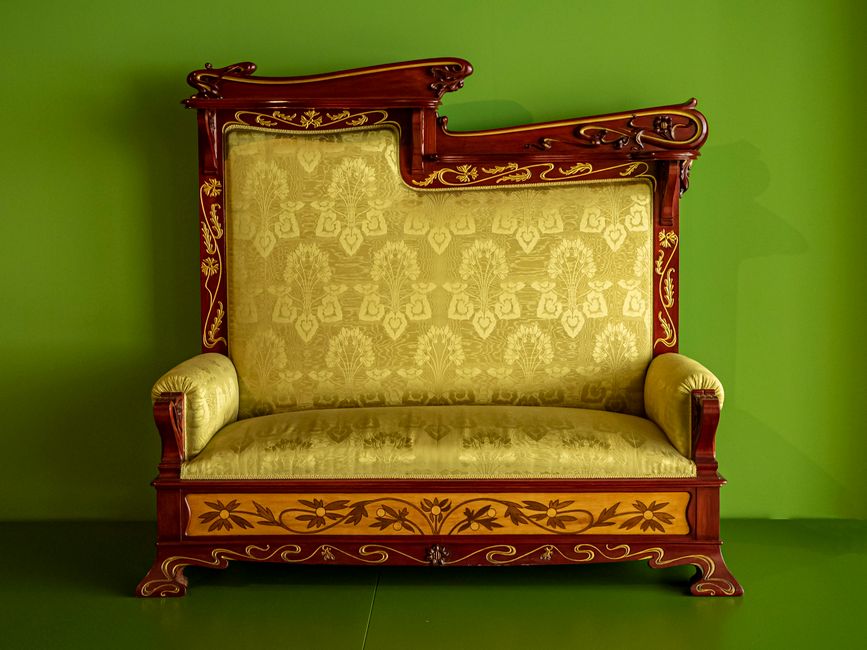
Coombe Lane professional upholstery cleaning for Victorian sofas
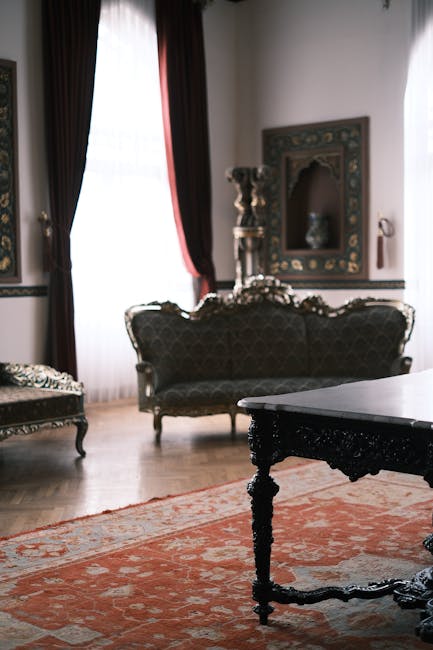
Victorian sofas have a kind of presence modern furniture rarely matches. The carved wood, the deep buttoning, the traditional shapes, the slightly formal feel of them all-it's lovely, but it also means cleaning them properly is a careful job. If you are looking into Coombe Lane professional upholstery cleaning for Victorian sofas, you probably already know the risk of getting it wrong: flattening the fabric, marking the wood, loosening old stitching, or leaving moisture where it should not be. Truth be told, that's exactly why specialist care matters.
This guide explains how professional upholstery cleaning works for Victorian sofas, what makes these pieces different, when to book a clean, and what to ask before anyone touches the fabric. You'll also find a practical checklist, a comparison of cleaning approaches, and a few common mistakes that are easy to avoid once you know what to look for. If you want the sofa to look fresher without losing its character, you're in the right place.
Why Coombe Lane professional upholstery cleaning for Victorian sofas Matters
Victorian sofas are not just another upholstery job. They often combine multiple materials in one piece: fabric, timber, horsehair or foam cushioning, decorative trims, old adhesives, springs, and sometimes delicate finishes that have aged unevenly over decades. That mix makes them more vulnerable than a standard modern sofa. A one-size-fits-all clean can do damage fast, even if the person doing it means well.
In a home, a Victorian sofa often sits in a living room, hallway, bay window, or formal reception area where dust collects quietly. You may not notice the build-up day to day, but over time it affects appearance, smell, and the texture of the fabric. Dust, body oils, pet hair, and everyday pollution settle into the fibres. If there are children, pets, or heavy use, the sofa can start to look tired long before the frame itself is at risk. And let's face it, an elegant antique does not forgive messy-looking upholstery.
Professional cleaning matters because it is about control, not force. The job is to remove soil safely, preserve the fabric, and protect the structure underneath. A good cleaner knows when to use minimal moisture, when to pre-test, when to avoid certain spots entirely, and when to stop. That judgement is the difference between a refreshed sofa and a costly repair.
If you're already comparing services for more than one item in the home, it can help to look at related upholstery care too, such as sofa cleaning, upholstery cleaning, or even curtain cleaning if the room has matching textiles that need a coordinated refresh. That kind of joined-up approach makes sense, especially in period properties where dust and fabric wear tend to travel together.
Expert summary: Victorian sofas need delicate, methodical cleaning because age, mixed materials, and fragile construction can make aggressive methods risky. A careful professional approach protects both the look and the lifespan of the piece.
How Coombe Lane professional upholstery cleaning for Victorian sofas Works
The cleaning process should begin with inspection. A professional will identify the fibre type, the condition of seams, any areas of wear, and whether the sofa has signs of previous repairs, water marks, fading, or woodwork that could react badly to moisture. They should also check for loose buttons, weak springs, and fabric that is already split or thinned. It sounds simple, but this first look changes everything.
After inspection comes testing. A small, hidden section is usually checked with the chosen cleaning solution to see how the fabric behaves. This is particularly important on antique or vintage upholstery, where dyes may bleed or the surface may be more delicate than it appears. A sofa that looks robust from across the room can react very differently up close.
From there, the cleaner will normally start with dry soil removal. Vacuuming with the right attachment removes grit and dust before any liquid is introduced. That step matters because embedded grit can act like sandpaper when rubbed into the fibres. After that, a suitable pre-treatment is applied where needed. For stains or local marks, the cleaner may use a specialist stain-removal treatment rather than soaking the whole item.
Depending on the fabric and the sofa's condition, the cleaning method might be low-moisture extraction, hand cleaning, controlled steam-based care, or a very light surface refresh. The method should always suit the material, not the other way round. For many Victorian sofas, especially older pieces, more water is not better. In fact, it can cause shrinkage, staining, or wicking, where marks reappear as the fabric dries. Annoying, to say the least.
Drying is the final critical stage. The sofa should be left in a well-ventilated space, away from direct heat or harsh sunlight. Good airflow matters more than people think. A rushed dry can leave odour, fibre distortion, or patches that dry unevenly. In a well-managed clean, the upholstery should feel fresh, not damp or overworked.
Key Benefits and Practical Advantages
When Victorian upholstery is cleaned properly, the benefits are both visual and practical. It is not only about making the sofa look nice for guests. It is also about preserving a piece of furniture that may have sentimental value, historical value, or simply a lot more life left in it than it first appears.
- Better appearance: Stains, dullness, and accumulated grime are reduced, which can restore the sofa's original colour and detail.
- Improved freshness: Dust and trapped odours are lifted, helping the room smell cleaner without relying on perfume-heavy sprays.
- Fabric protection: Professional treatment helps prevent permanent staining and reduces the chance of damage from harsh DIY products.
- Longer furniture life: Regular care slows down wear, especially in high-use homes or rental settings.
- Safer care for delicate materials: Historic textiles and finishes need measured handling, not guesswork.
- Better whole-room feel: A clean Victorian sofa can make an entire room feel brighter and more cared for. You notice it straight away, usually the moment you walk in.
There is also a practical side that gets overlooked: regular cleaning makes ongoing maintenance easier. It is much simpler to keep a sofa in good condition than to rescue one that has been neglected for years. A light but professional refresh every so often can prevent the kind of deep staining that later needs more intervention. That's the kind of boring advice people ignore right up until they wish they hadn't.
Who This Is For and When It Makes Sense
This service makes sense for a wide range of homes, but especially for people who own older furniture with character. If your sofa is a genuine Victorian piece, a Victorian-style reproduction, or a family heirloom passed down through the years, professional upholstery cleaning is often the safest option. It is also a smart choice if you have noticed any of the following:
- visible dullness or a grey film on the fabric
- food marks, drink spills, or pet-related mess
- musty smells after damp weather or long periods of low ventilation
- flattened arms, seat areas, or back cushions
- dust build-up in folds, trims, or buttoning
- old cleaning attempts that left rings or patchy marks
- a sofa that you want to restore before selling, renting, or hosting
It also makes sense if you are preparing a period property for photographs, guests, or a move. Victorian sofas tend to stand out in images, which is great when they look their best and less great when they don't. In homes around Coombe Lane and the surrounding area, where period details are often part of the charm, the sofa can become a real focal point. So if it looks tired, the whole room can feel a bit off.
If you are comparing a few soft furnishings in one go, you may want to review broader services such as stain removal for isolated marks or pet stain odour removal if you have lingering smells from animals. That can be more cost-effective than treating each issue separately.
Step-by-Step Guidance
If you like to know what will happen before anyone arrives, this section is for you. A professional visit should feel organised and calm, not rushed.
- Initial assessment: The cleaner inspects the sofa, confirms the fabric type, and checks for damage, fading, weak seams, or previous repairs.
- Pre-test on a hidden area: A tiny section is tested to check colour stability and reaction to the solution.
- Dry vacuuming: Loose dust, hair, crumbs, and grit are removed from the upholstery and crevices.
- Targeted pre-treatment: Stains and high-traffic areas are treated with a suitable product rather than a blanket approach.
- Main cleaning method: The cleaner uses the safest suitable technique, often with minimal moisture for antique or delicate items.
- Detail work: Buttons, seams, trims, and tucked areas are cleaned carefully by hand.
- Controlled drying: Airflow is encouraged and the piece is left to dry evenly.
- Final review: The cleaner checks the finish, explains any remaining marks that could not be safely removed, and offers maintenance advice.
That final conversation is useful. A good cleaner will be honest if a mark has become permanent or if a fibre has aged in a way that makes full removal unrealistic. Better that than a promise they cannot keep. Victorian sofas can be forgiving in some ways and brutally fussy in others. Funny old things, really.
Expert Tips for Better Results
There are a few things that make a real difference before, during, and after cleaning. These are the kinds of details that often separate a decent result from a genuinely good one.
- Vacuum lightly but regularly: Use a soft upholstery attachment to stop dust becoming deeply embedded.
- Keep sunlight in mind: Strong direct sun can fade older fabric, so be careful where the sofa sits after cleaning.
- Do not over-wet the fabric: This is probably the biggest issue with DIY attempts.
- Treat stains quickly, but gently: Blot, don't scrub. Scrubbing usually makes things worse.
- Ask about fibre-specific methods: A cleaner should explain why they chose a certain approach.
- Ventilate the room well: Open windows where possible. Even a slight airflow helps drying.
- Protect fragile trims and woodwork: Period sofas often have decorative elements that need care as much as the fabric does.
A small but useful habit: take a quick photo of the sofa before cleaning, especially if you are concerned about a particular stain or patch. That gives you a clear before-and-after reference and helps you and the cleaner stay on the same page. It sounds obvious, but people forget in the moment.
Common Mistakes to Avoid
Most damage to Victorian upholstery happens because someone tries to hurry the process. To be fair, that's understandable. Old furniture can look tougher than it is. But a few common mistakes are worth avoiding.
- Using a general-purpose cleaner: Not every household spray is safe for antique fabrics.
- Rubbing a stain aggressively: This can spread the mark or distort the nap of the fabric.
- Ignoring fibre type: Velvet, silk blends, damask, wool, cotton, and linen all behave differently.
- Cleaning without testing first: A hidden test can prevent visible damage.
- Drying too fast with strong heat: Radiators and hairdryers can warp fibres or cause shrinkage.
- Overlooking the wooden frame and trims: Moisture near timber can create problems you won't see straight away.
- Expecting every stain to vanish: Some marks are permanent; a responsible cleaner will say so honestly.
One slightly awkward reality: some Victorian sofas are already fragile before any cleaning starts. The fabric may be near the end of its life, even if the sofa still looks beautiful from a distance. That doesn't mean it can't be cleaned. It means the process has to be thoughtful, and maybe conservative. Not glamorous, but sensible.
Tools, Resources and Recommendations
Good upholstery cleaning relies on the right equipment and a clear process. You do not need to know every technical detail, but it helps to understand the basics so you can judge whether someone sounds competent.
- Soft upholstery vacuum attachments: Useful for dust, crumbs, and dry soil without pulling on delicate fibres.
- Microfibre cloths: Helpful for gentle blotting and controlled wiping during stain treatment.
- Fabric-safe pre-sprays: These loosen grime before the main clean.
- Spot-testing materials: Any proper cleaner should be ready to test in a hidden area.
- Air movers or natural ventilation: These support safe drying, especially in older properties where air can be a bit still.
When selecting a service, the most useful question is often the simplest one: What would you do differently for a Victorian sofa compared with a modern one? The answer should mention testing, gentler moisture control, attention to trims, and awareness of fabric fragility. If the answer sounds vague, that is a hint.
For readers comparing upholstery care with other room fabrics, related services such as curtain cleaning, rug cleaning, and mattress cleaning can be useful to consider together, particularly if you are looking at a complete home refresh. It often makes the job feel more finished.
Law, Compliance, Standards, or Best Practice
With antique and period furniture, best practice matters more than flashy claims. In the UK, a professional cleaner should work with sensible health and safety procedures, suitable equipment, and appropriate insurance. They should also be transparent about limitations, drying times, and any care required after treatment. If furniture is especially delicate, caution is part of good service, not a drawback.
If a property has tenants, landlords, or managed accommodation involved, communication becomes important too. Everyone should understand what is being cleaned, what method is being used, and whether there are any areas of risk. That's just good practice. It avoids confusion later, which is never a bad thing.
Reputable providers usually have policies covering safety, security, and customer care. You may also want to check their insurance and safety information, along with practical details on pricing and quotes, payment and security, and their general terms and conditions. Those pages are not exciting, admittedly, but they do help you make a calmer decision.
For businesses or managing agents dealing with shared or commercial interiors, the broader standards can be a little more formal. In those cases, having a documented process matters. For a private home, the principle is the same: careful work, clear communication, no overpromising.
Options, Methods, or Comparison Table
Not every Victorian sofa needs the same type of treatment. Here is a simple comparison to help you understand the usual options. The exact choice depends on fabric, age, condition, and prior cleaning history.
| Method | Best for | Main advantage | Watch out for |
|---|---|---|---|
| Low-moisture cleaning | Delicate or older fabrics | Reduced wetting and less risk of damage | May not remove very deep soiling in one pass |
| Controlled extraction | More robust upholstery | Good soil removal and fresher finish | Needs skill to avoid overwetting |
| Hand cleaning | Highly detailed or fragile pieces | Maximum control around trims and seams | Can be slower and more labour-intensive |
| Targeted stain treatment | Local marks or spill areas | Focuses effort where it is needed | Not suitable as a substitute for full cleaning |
There is no universal winner. That's the honest answer. A cleaner should decide based on the sofa in front of them, not on a standard routine they apply to every job. For a Victorian sofa, the safest method is usually the one that respects the age of the piece first and the appearance second. In a good way, those two goals normally go hand in hand anyway.
Case Study or Real-World Example
Imagine a Victorian sofa in a front room with patterned wallpaper, a wool rug, and a pair of heavy curtains. It has been in the same spot for years. The owner notices the arms look darker than the rest of the fabric and there is a faint stale smell after the windows stay shut through winter. Nothing dramatic, just that slightly tired look you get used to until one day you don't.
A professional approach would begin with a fabric check, a small test patch, and a very careful vacuum. The darkening on the arms might turn out to be a mix of body oils and dust, rather than a stain in the usual sense. That distinction matters, because it changes the treatment. The cleaner would then use a gentle pre-treatment on the traffic areas, followed by a controlled clean and thorough drying support.
What tends to surprise people is that the whole sofa rarely needs the same level of treatment. The heavily used areas get more attention, while the rest receives a lighter refresh. That makes the result look more natural. The sofa does not look scrubbed or overly bright; it just looks cared for. You still see its age, which is the point. The character remains intact.
Afterwards, the room usually feels different too. Not scented-up different. Just cleaner. Less stale. A bit lighter around the edges. Small thing, but you notice it every time you sit down.
Practical Checklist
Use this checklist before you book or begin any Victorian sofa clean:
- Confirm the sofa's age, fabric type, and any known repairs.
- Take photos of stains, fading, or damage before cleaning.
- Ask for a test patch on a hidden area.
- Check that the cleaner understands delicate or antique upholstery.
- Make sure the room can be ventilated during and after cleaning.
- Remove loose items, cushions, and nearby clutter.
- Keep pets and children away while the sofa is drying.
- Ask how long drying is likely to take.
- Request honest guidance on stains that may not fully lift.
- Review the provider's safety, terms, and pricing information before confirming.
If you want a broader home refresh at the same time, it can also be sensible to review carpet cleaning or steam carpet cleaning, especially if the sofa sits in a room with heavier foot traffic. Clean flooring and clean upholstery tend to support each other visually. It's one of those quiet little wins.
Conclusion
Coombe Lane professional upholstery cleaning for Victorian sofas is really about more than cleaning. It is about preservation, care, and making a beautiful older piece feel at home in a busy modern house. The right process respects the sofa's materials, avoids unnecessary risk, and brings back a fresher, calmer look without stripping away the character that made you love it in the first place.
If you remember only one thing, make it this: Victorian sofas reward patience. A careful inspection, a suitable method, and proper drying are worth far more than a quick scrub. That approach protects the piece now and helps it stay useful for years to come. And honestly, that's the kind of result that feels good every time you pass through the room.
Get a free quote today and see how much you can save.
When a sofa has lasted this long, it deserves a cleaning approach that is just as thoughtful.
Frequently Asked Questions
Can a Victorian sofa be professionally cleaned safely?
Yes, in many cases it can, but safety depends on the fabric, the condition of the frame, and the type of staining or wear present. A proper cleaner should inspect and test first rather than jumping straight in.
How often should a Victorian sofa be cleaned?
That depends on use, pets, smoke exposure, and room conditions. Light maintenance and occasional professional cleaning are usually better than waiting until the sofa looks obviously dirty.
Will professional upholstery cleaning remove all stains?
Not always. Some marks are permanent, especially on older fibres or where a spill has already set. A professional can often improve the appearance significantly, even if full removal is not realistic.
Is steam cleaning suitable for Victorian sofas?
Sometimes, but not always. Steam-based methods can be useful on some upholstery, while other Victorian pieces need far less moisture. The right approach depends on the fabric and construction.
How long does a Victorian sofa take to dry?
Drying time varies with the method used, room ventilation, and the sofa's materials. Older upholstery may need a longer, gentler drying period than a modern sofa.
What should I do before the cleaner arrives?
Clear the surrounding area, remove cushions or loose items if asked, and take note of any stains or damage you want highlighted. Good communication at the start usually saves time later.
Can cleaning damage antique fabric?
It can if the wrong method or products are used. That is why testing, low moisture, and experience with delicate textiles are so important. Antique fabric needs a measured approach.
Should I clean the sofa myself first?
Light vacuuming is fine, but avoid trying to treat stains aggressively on your own. DIY spot cleaning can spread marks, flatten fibres, or create water rings that are harder to remove later.
Is it worth cleaning a sofa that already looks very old?
Often yes, if the fabric and frame are still structurally sound. A careful clean may improve freshness and appearance without altering the sofa's age or patina. That said, a professional should confirm whether the piece is suitable first.
What if the sofa has pet odour or lingering smells?
Odour can sometimes be reduced with specialist treatment, but the result depends on how deeply the smell has penetrated. If pet issues are part of the problem, targeted support like pet stain odour removal may be relevant.
How do I know if the service is right for a period property?
Look for signs that the cleaner understands delicate materials, spot testing, drying control, and honest limitation-setting. Period furniture is less forgiving than modern upholstery, so confidence without detail is not a great sign.
Do I need to clean curtains or carpets at the same time?
Not necessarily, but it can be practical if the room has the same level of dust or general dullness. In a Victorian interior, coordinated care across soft furnishings often gives the most satisfying result.
Where can I learn more about the company's policies and service details?
Useful background can often be found in pages such as about us, recycling and sustainability, and health and safety policy. Those details help you judge the service beyond the headline claim.